Huapai Clinic Huapai Clinic 338 Main Road, Huapai 0810 | Henderson Satellite Clinic Henderson Satellite Clinic Shop 123, WestCity, 7 Catherine Street, Henderson 0612
09 412 77 40 027 740 45 45Huapai Clinic Huapai Clinic 338 Main Road, Huapai 0810 | Henderson Satellite Clinic Henderson Satellite Clinic Shop 123, WestCity, 7 Catherine Street, Henderson 0612
Overview: Shin splints, commonly referred to clinically as medial tibial stress syndrome (MTSS), are a common cause of exercise-related lower leg pain, particularly in runners and people who participate in repetitive impact activities. Symptoms often develop when training load increases faster than the body can adapt. This guide covers the common signs of shin splints, contributing factors, treatment and recovery, and when persistent shin pain should be assessed by a Podiatrist.
You’re a few kilometres into your run when you notice a dull ache developing along your shin. It may settle when you stop, only to return during your next run or training session.
For runners and active people across Auckland, shin pain can quickly interfere with training, sport and everyday activity.Often referred to as shin splints, medial tibial stress syndrome (MTSS) is a common cause of exercise-related lower leg pain, particularly among runners and people involved in repetitive impact activities.
Shin pain shouldn’t simply be ignored or “run through”. Understanding what may be contributing to the symptoms and adjusting activity appropriately can help prevent the problem from becoming persistent and support a safer return to exercise.
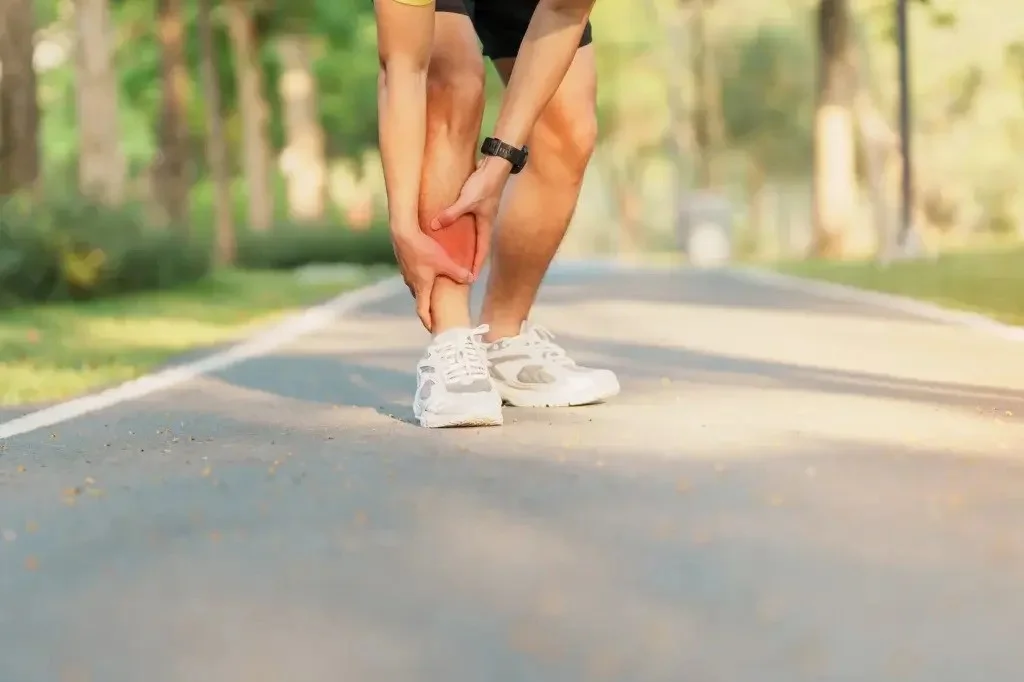
Medial tibial stress syndrome typically causes exercise-related pain and tenderness along the inner border of the tibia (shin bone).
Rather than being caused by one single structure or simply by inflammation, MTSS is thought to develop when repetitive loading of the lower leg exceeds the body’s current capacity to adapt and recover.
This is why symptoms commonly appear following changes in running distance, intensity, frequency or other high-impact activity.
A common misconception is that shin pain is simply part of becoming fitter or increasing running distance.
Pain that repeatedly occurs with activity is a signal that the lower leg may not be coping with its current load. Continuing to increase training despite worsening symptoms can prolong recovery and may make it more difficult to distinguish MTSS from other causes of lower leg pain.
Shin splint pain is typically felt along the inner border of the shin and may affect a broader area rather than one very specific point.
Symptoms may include:
Pain that becomes very localised, severe, occurs during normal walking or persists at rest should be assessed, as other conditions, including a bone stress injury, may need to be considered.
There isn’t always one single cause of shin splints. Often, several factors contribute to the amount of load being placed through the lower leg and the body’s ability to adapt to it.
These may include:
A podiatry assessment in Auckland, can look at your symptoms alongside your training history, footwear, strength, movement and lower-limb biomechanics to help identify factors that may be contributing to the problem.
If discomfort also involves your heel, ankle or other areas of the lower leg, our foot and leg pain management service covers a range of related conditions.
Treatment for shin splints should be based on the individual and the factors contributing to their symptoms.
An important first step is usually load management. This doesn’t necessarily mean stopping all physical activity, but temporarily reducing or modifying activities that provoke the shin pain.
Depending on your assessment, management may include:
The goal isn’t simply to settle the pain. It is also to build the lower leg’s capacity to tolerate activity again and address factors that may be contributing to repeated symptoms.
Orthotics may be appropriate for some people where foot mechanics or loading patterns are considered relevant to their symptoms.
They aren’t automatically required for everyone with shin splints. Your Podiatrist can assess whether orthotics, footwear changes, strengthening, training modification or a combination of approaches is most appropriate for you.
Returning to running should be gradual and guided by how your symptoms respond to increasing load.
Rather than following one fixed rule, your return will depend on factors such as how long you’ve had symptoms, your current activity level, training goals and how your shin responds as exercise is reintroduced.
Increasing distance, intensity and frequency all at once can overload recovering tissues, so a staged return allows your body time to adapt.
There is no single strategy that guarantees shin splints won’t return, but sensible training and recovery habits can help your body adapt to changes in load.
Consider:
If shin pain keeps returning, is worsening despite reducing your activity, or is stopping you from running, walking or exercising comfortably, it is worth having it assessed.
You should also seek assessment if the pain becomes very localised, occurs during everyday walking or at rest, or you are unsure whether the symptoms are actually shin splints.
Not all shin pain is medial tibial stress syndrome. A Podiatrist can assess your symptoms and training history and examine your foot and lower-limb function to help determine what may be causing the pain and whether further investigation is appropriate.
At Norwest Podiatry, we assess lower-leg and running-related pain and can develop an individual management and return-to-activity plan based on your symptoms and goals.
Footwear may be one of several contributing factors. Shoes that are significantly worn, unsuitable for your activity or don't work well for you may affect how load is managed during running or exercise.
However, footwear is rarely the only factor, which is why training load, strength, previous injuries and lower-limb function should also be considered.
Recovery time varies. It depends on factors including how long symptoms have been present, their severity, your activity and training load, and how your symptoms respond to treatment.
Rather than returning to running after a fixed number of weeks, activity should usually be increased gradually as symptoms and capacity improve.
Not necessarily. You may need to temporarily reduce or modify activities that trigger your symptoms, particularly high-impact exercise.
Lower-impact activities such as cycling or swimming may be suitable for some people while symptoms settle, depending on what can be performed comfortably. Your return to running should then be gradual.
Orthotics can be useful for some people, particularly where foot mechanics or loading patterns are considered relevant to their symptoms, but they aren't required for every case of shin splints.
A podiatry assessment can help determine whether orthotics may be beneficial as part of your overall treatment plan alongside factors such as load management, footwear and strengthening.
Copyright ©2025 Norwest Podiatry All Rights Reserved.