Services

Hypermobile or “Loose” Joints in Children: Assessment & Care in West Auckland

Supportive podiatry assessment to understand joint flexibility and support comfortable movement.

Book your Appointment Today Call us now

Explain Section Background
What is Hypermobility in Children?

What is Hypermobility in Children?

Hypermobility means that a child’s joints move more than average. Many children are naturally flexible and experience no problems at all. Some children, however, may experience joint pain, fatigue, frequent sprains, or difficulty keeping up with activity due to reduced joint stability.

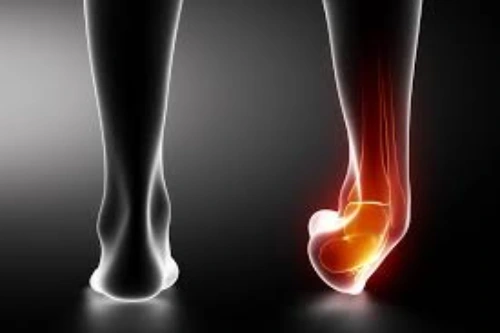
Hypermobility can affect the feet, ankles, knees, and hips, and may influence balance, posture, and walking patterns.

At Norwest Podiatry, we assess how joint flexibility affects your child’s movement and comfort, and provide guidance to support stability and confidence.

Signs & Symptoms of Hypermobility in Children

  • Very flexible joints or “double-jointed” movement
  • Frequent ankle rolling or sprains
  • Leg or foot pain after activity
  • Fatigue with walking or sport
  • Poor balance or coordination
  • Joint aches during growth spurts
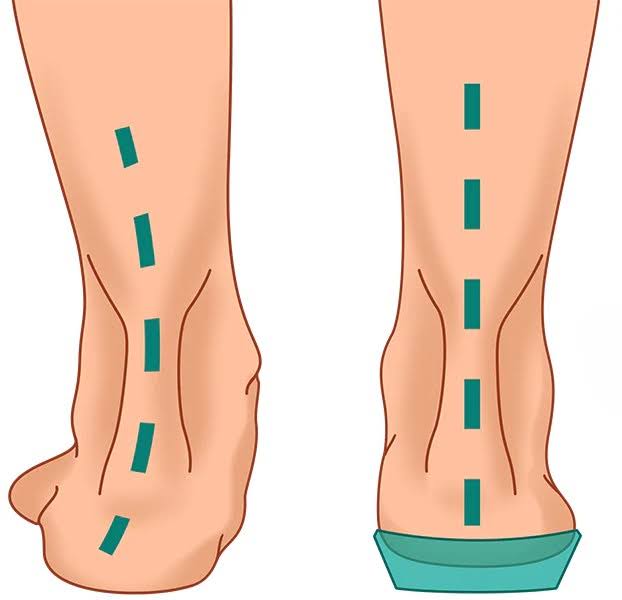
  • Flat feet or collapsing arches
Signs & Symptoms of Hypermobility in Children

Common Factors Associated with Hypermobility

  • Genetic joint flexibility
  • Reduced muscle stability around joints
  • Rapid growth phases
  • Poor footwear support
  • Fatigue or overuse
  • Connective tissue differences

Your Child’s Hypermobility Assessment Journey at Norwest Podiatry

We assess joint range of motion, foot posture, muscle strength, balance, walking pattern, and footwear.
Explanation & Reassurance
We explain what hypermobility means for your child and whether it is likely to impact daily activities or sport.
Treatment (If Needed)
Treatment focuses on improving stability and reducing fatigue or discomfort.
Follow-Up
Some children benefit from periodic review during growth or increased activity.

Treatment Options and Support for Hypermobility

Treatment Options

  • Strapping and supportive braces
  • Footwear guidance for stability
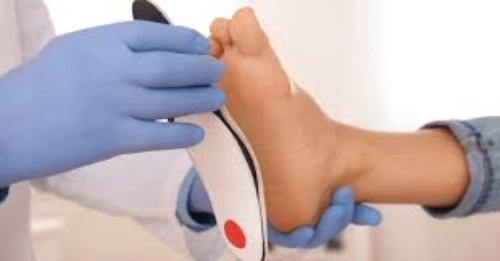
  • Supportive insoles or orthotics in selected cases
  • Strength and balance exercises
  • Activity pacing strategies
  • Education on joint protection

Tips to Support Hypermobile Children

  • Encourage strength-building activities
  • Avoid excessive joint strain
  • Use supportive footwear
  • Allow adequate recovery
  • Monitor pain and fatigue patterns
Treatment Options and Support for Hypermobility
Book your Appointment Today Call us now

Frequently Asked Questions: Hypermobility in Children

Yes. Many children are naturally flexible and outgrow it as they mature.

Treatment is helpful when hypermobility causes pain, fatigue, instability, or recurrent injuries.

In some children it can, particularly during growth spurts or high activity levels.

They can improve foot stability in selected cases.

Many children become less flexible as they mature.

No referral is required.

Proudly providing professional podiatry services in Auckland, including West Auckland, West Harbour, Whenuapai, Riverhead, Westgate, Massey, Henderson, Swanson, Te Atatu, Ranui, Huapai, Kumeu, Hobsonville , Waimauku, Muriwai, and Helensville.

Contact Us
close slider