Services

Lower Limb Alignment in Children: In-Toeing, Out-Toeing, Knock Knees & Bow Legs

Supportive podiatry assessment to understand alignment changes and guide healthy development.

Book your Appointment Today Call us now

Explain Section Background
What are Lower Limb Alignment Changes in Children?

What are Lower Limb Alignment Changes in Children?

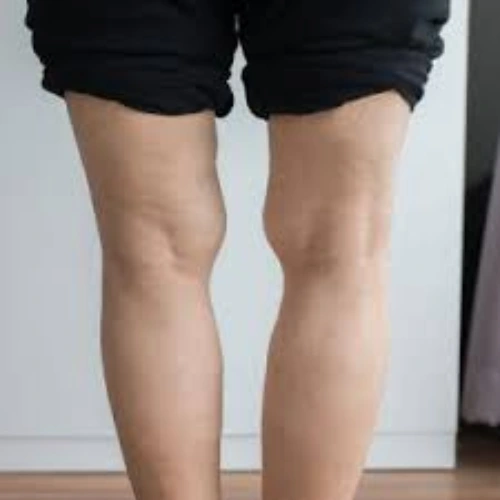
As children grow, it is normal for their legs and feet to change shape and alignment. Many children naturally go through phases of in-toeing (feet turning inward), out-toeing (feet turning outward), knock knees (knees angling inward), or bow legs (legs curving outward).

Most of these changes correct themselves as children grow and develop strength and coordination. However, in some cases, alignment differences may contribute to tripping, fatigue, discomfort, or concern for parents.

At Norwest Podiatry, we assess whether your child’s alignment is part of normal development or whether monitoring or support is beneficial.
Signs & Symptoms of Alignment Concerns

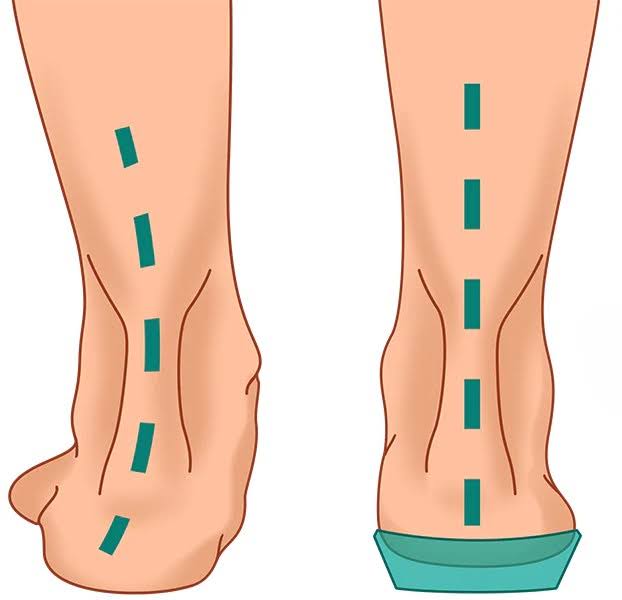
  • Feet turning inward or outward when walking
  • Knees touching or appearing wide apart
  • Frequent tripping or falling
  • Uneven shoe wear
  • Fatigue during walking or play
  • Leg or foot discomfort
  • Asymmetry between left and right legs
Signs & Symptoms of Alignment Concerns

Common Causes of Alignment Changes

  • Normal developmental stages
  • Bone growth patterns
  • Muscle strength and coordination development
  • Flexible joints or hypermobility
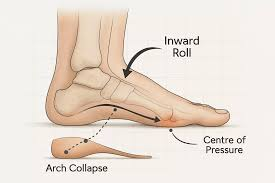
  • Foot posture (flat feet or high arches)
  • Family history of alignment patterns
  • Previous injury

Your Child’s Alignment Assessment Journey at Norwest Podiatry

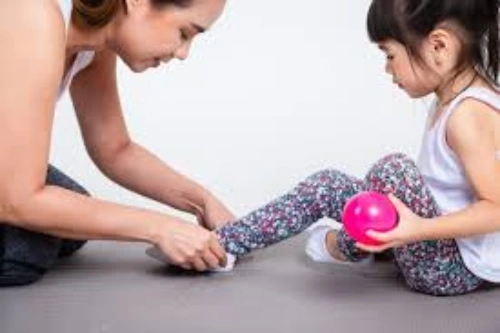
We assess your child’s standing posture, walking pattern, leg alignment, joint mobility, muscle strength, and balance. Growth stage and developmental milestones are considered.
Explanation & Reassurance
We explain whether alignment differences are expected for your child’s age and development, and what changes to expect over time.
Treatment (If Needed)
Support may include footwear advice, exercises, and often orthotics to improve comfort and support movement.
Follow-Up
Some children benefit from periodic monitoring as they grow.

Treatment Options and Support for Alignment Differences

Treatment Options

  • Monitoring and reassurance
  • Footwear guidance
  • Exercises to support strength and coordination
  • Orthotics in selected cases
  • Activity modification if discomfort occurs
  • Referral to allied providers if required

Tips to Support Healthy Alignment

  • Encourage active play and movement
  • Choose supportive footwear
  • Avoid overly rigid or restrictive shoes
  • Monitor for pain or frequent falls
  • Seek assessment if concerns increase
Treatment Options and Support for Alignment Differences
Book your Appointment Today Call us now

Frequently Asked Questions: Lower Limb Alignment in Children

These alignment patterns can be common in younger children, particularly under age two, as their legs are still changing shape. If they persist beyond early childhood or are causing pain, imbalance, or concern, assessment is recommended.

If alignment appears severe, asymmetrical, painful, or persistent beyond expected age ranges, assessment is recommended.

Every child is different, but in most cases reassurance and monitoring are all that’s needed.

In some cases, uneven loading can contribute to fatigue or discomfort.

Only in selected cases where foot mechanics contribute to symptoms.

No referral is required, you can book directly.

Proudly providing professional podiatry services in Auckland, including West Auckland, West Harbour, Whenuapai, Riverhead, Westgate, Massey, Henderson, Swanson, Te Atatu, Ranui, Huapai, Kumeu, Hobsonville , Waimauku, Muriwai, and Helensville.

Contact Us
close slider